Rebuilding After 13 Years: From Hiatus to Hansons
A marathon. Sub-3. Said out loud in a cabin after watching the Olympic 10,000 meters. It sounded simple enough in theory.
In reality, thirteen years had passed since I’d trained seriously for running.
Cycling had kept me fit, but fitness is specific. Running fitness even more so. I hadn’t left the sport gracefully. I’d walked away burned out, convinced I was finished.
Now I was standing at the edge of something I hadn’t attempted in over a decade.
The first weeks were uneven. I didn’t even own proper road shoes, just old trail shoes from hiking. Runs were sporadic. Some trails. Some bike rides. More intention than structure.
It started to feel real the weekend of September 14th in Vail, when we gathered again for Andy’s wedding. We ran the morning of the ceremony. Thin air. Quiet streets. The marathon conversation returned, this time without hesitation. Steven, as expected, recruited anyone within earshot.

By the time we left Vail, it carried weight. We weren’t just talking anymore.
The first practical step was simple: order real shoes.
I’ve always run in Brooks. I bought the Hyperion Max 2 and the Hyperion GTS — light, responsive, efficient. The Max 2 quickly became a favorite.
Next came structure.
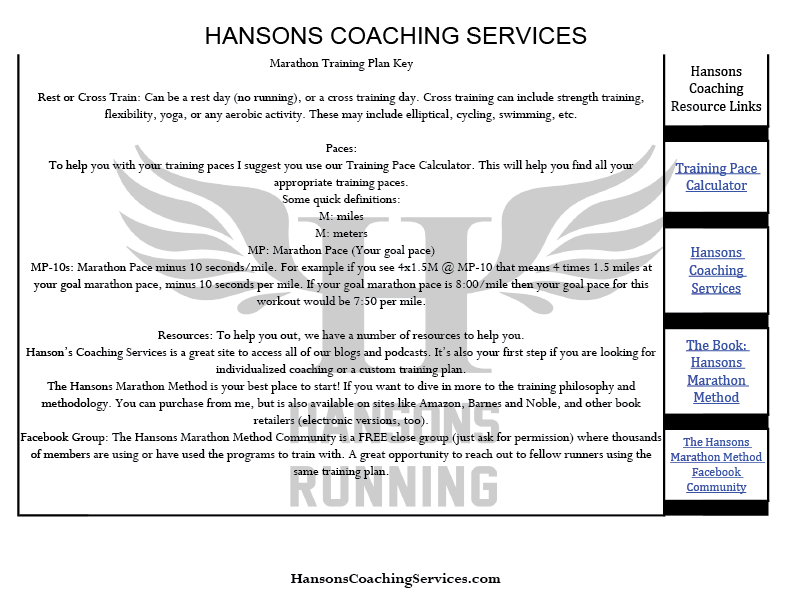
I needed something demanding but realistic. I chose the Hansons Advanced Marathon Plan. Cumulative fatigue, race-specific work, and strength built through consistency rather than spectacle. I’d followed that system from a distance in college. The philosophy stayed with me, even through the years I wasn’t running.
Hansons is eighteen weeks. My race was twenty-two weeks out. Four weeks to build a base.
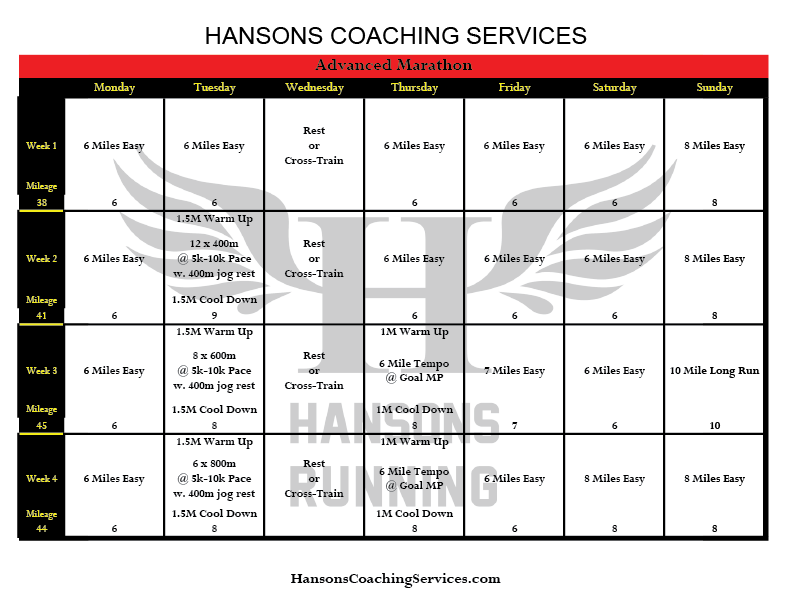

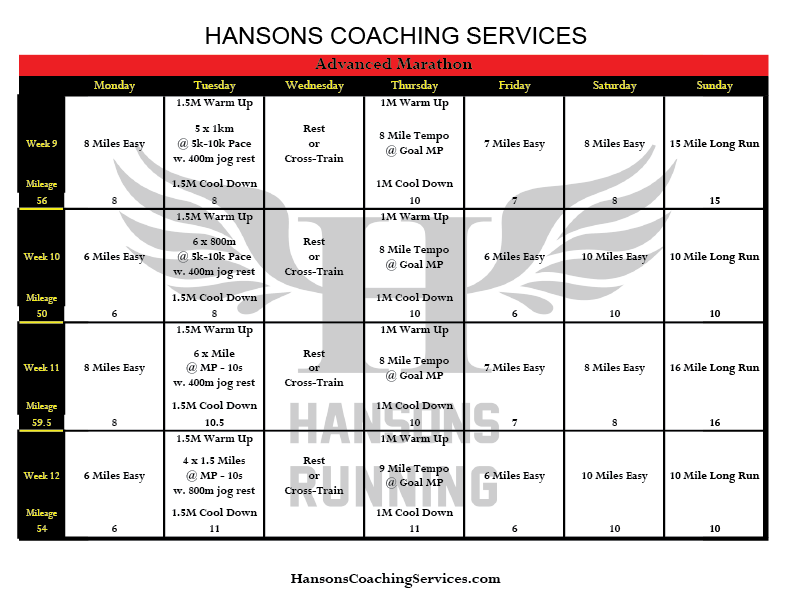
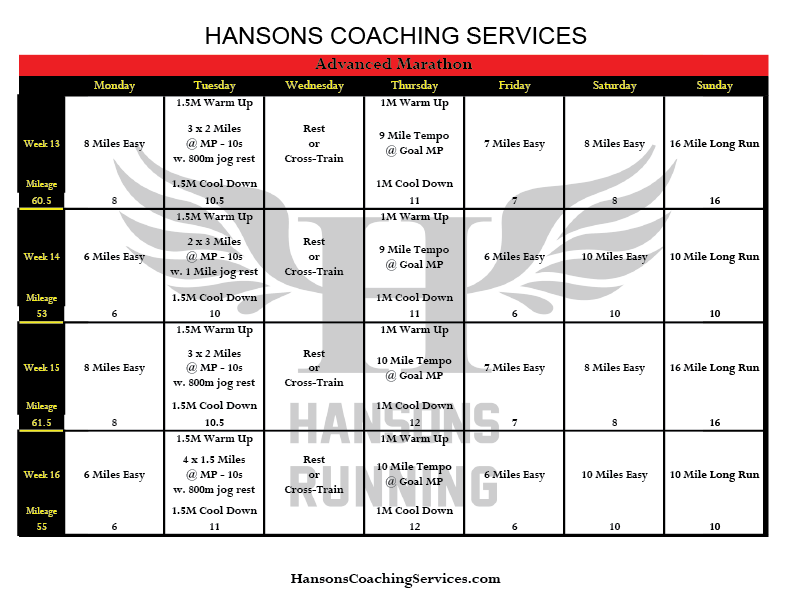

After thirteen years away, I didn’t pretend to know exactly how to do that. I kept it simple: gradual mileage, controlled efforts, no hero days.
The first weeks were humbling. Legs heavy. Heart rate high. Arkansas humidity unforgiving. But the body remembers. Foot speed returned first. Endurance followed. The cycling years helped more than I expected.
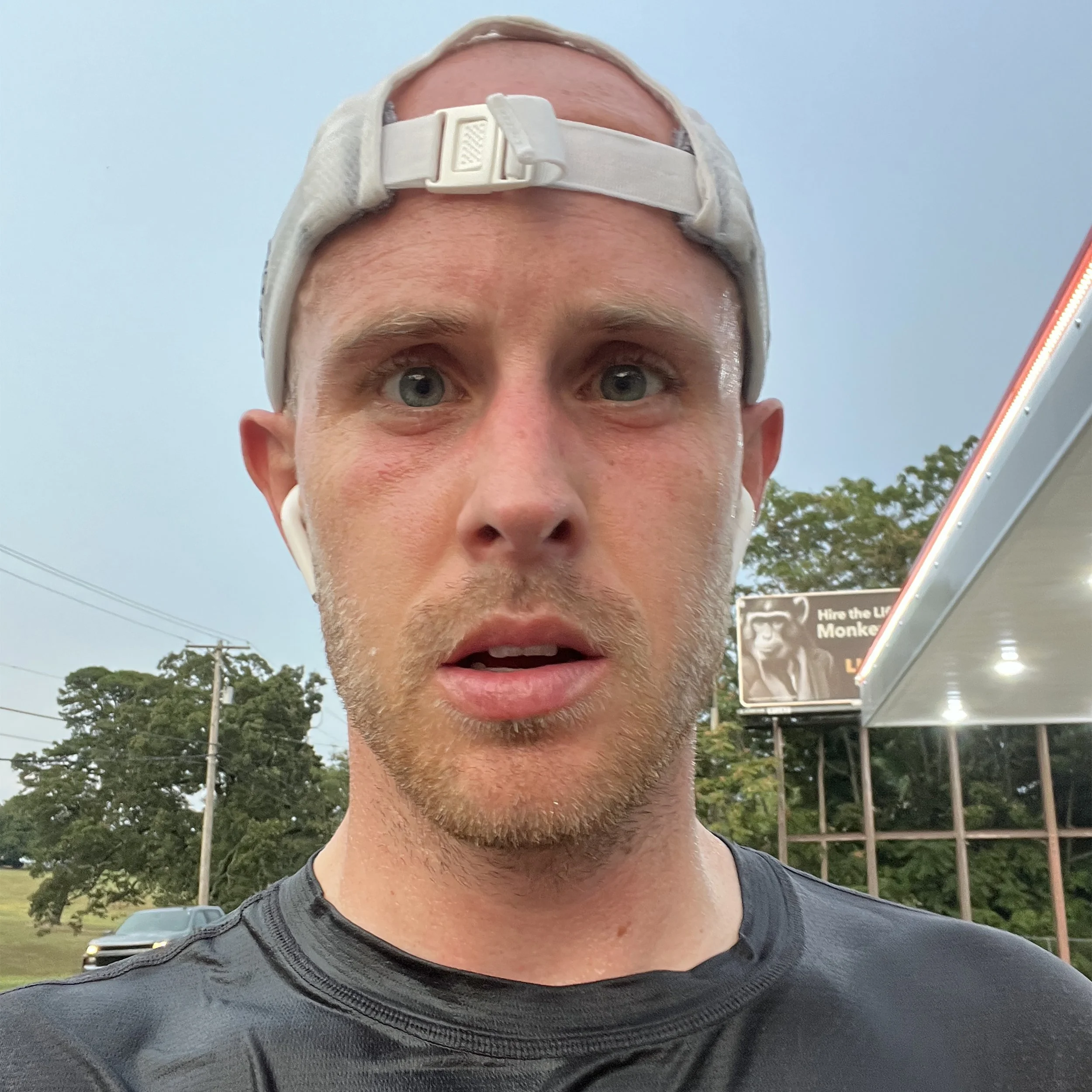
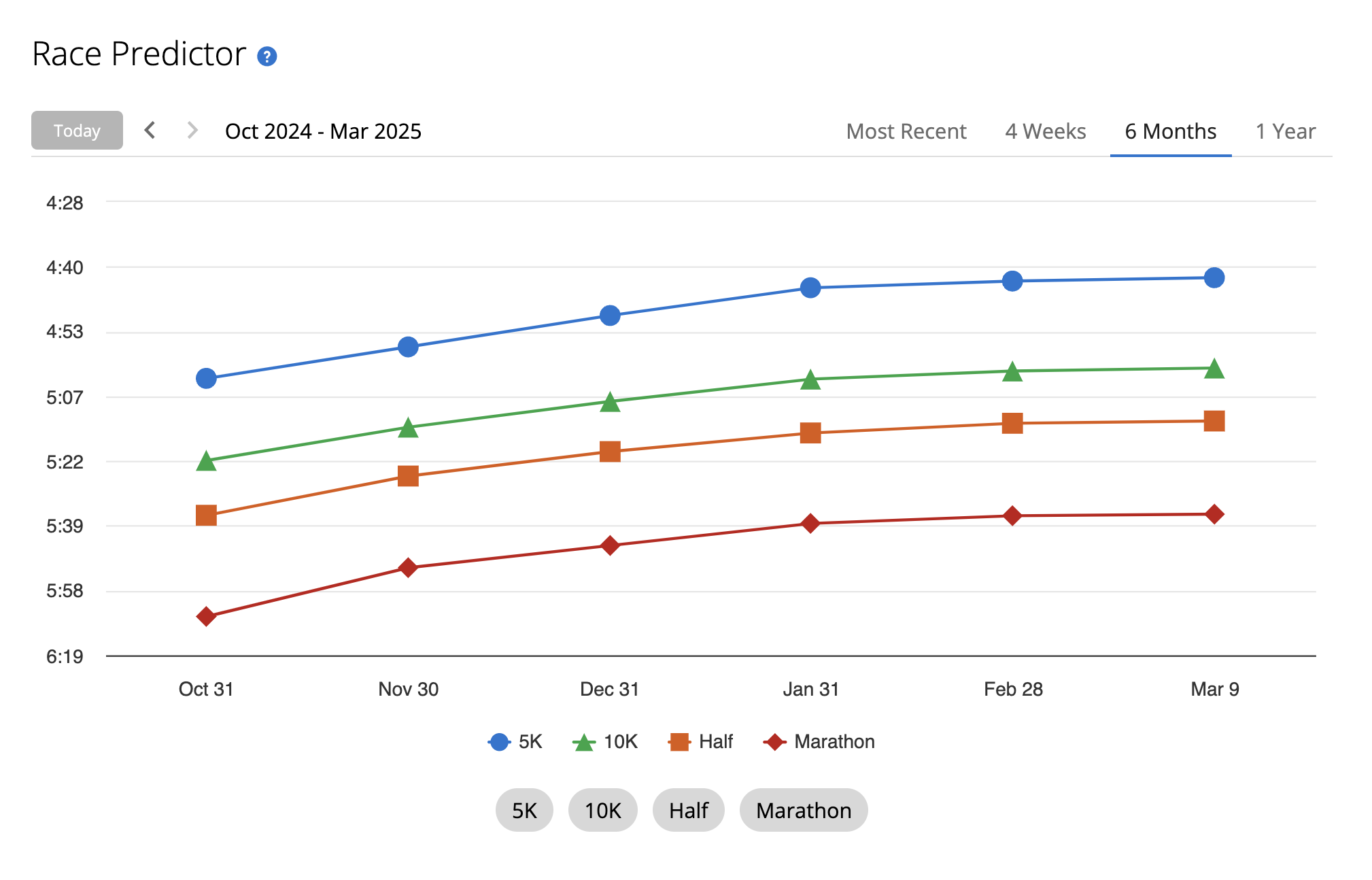
Within a month, sub-3 felt less ambitious.
That confidence arrived early and I let it lead. Mileage crept beyond the plan. Tempo efforts edged faster. Interval splits followed. Teammates tracking me on Strava sent encouragement, and I allowed it to influence the work. I’ve always been a runner who races into shape rather than builds it patiently. Old habits resurface quietly.
Around then, we chose the Little Rock Marathon. A home race. Sub-3 became baseline. I began thinking about 2:37 — six-minute pace — a time that typically wins outright.
The margin narrowed.
Sleep tightened. Nutrition sharpened. Recovery became deliberate.
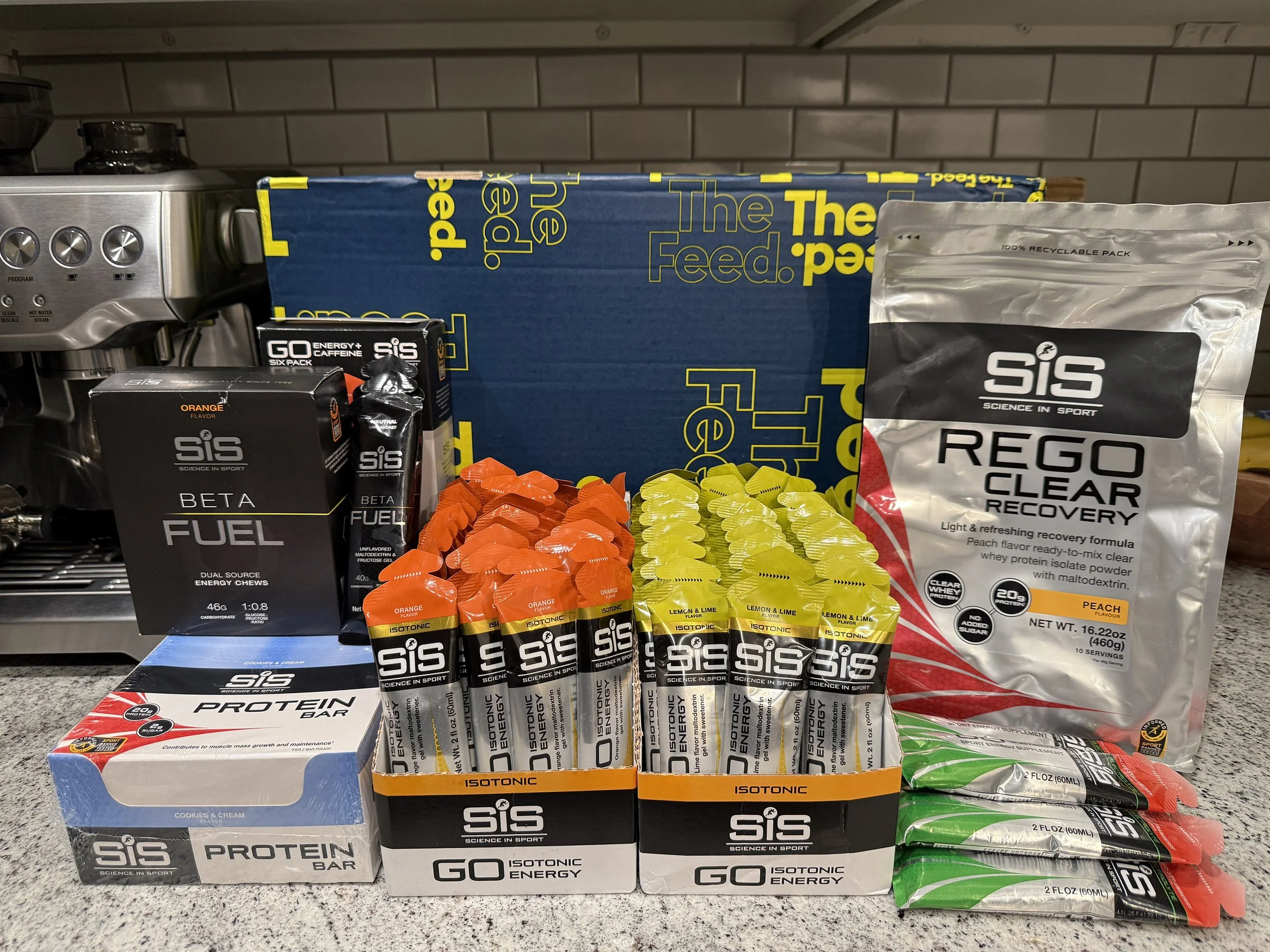
Training for the Leadville MTB 100 in 2019 had taught me the value of proper fueling. I took everything I learned — carbohydrate intake, gut tolerance, consistency across long efforts — and applied to this training block. I leaned heavily on SiS. Simple. Reliable.
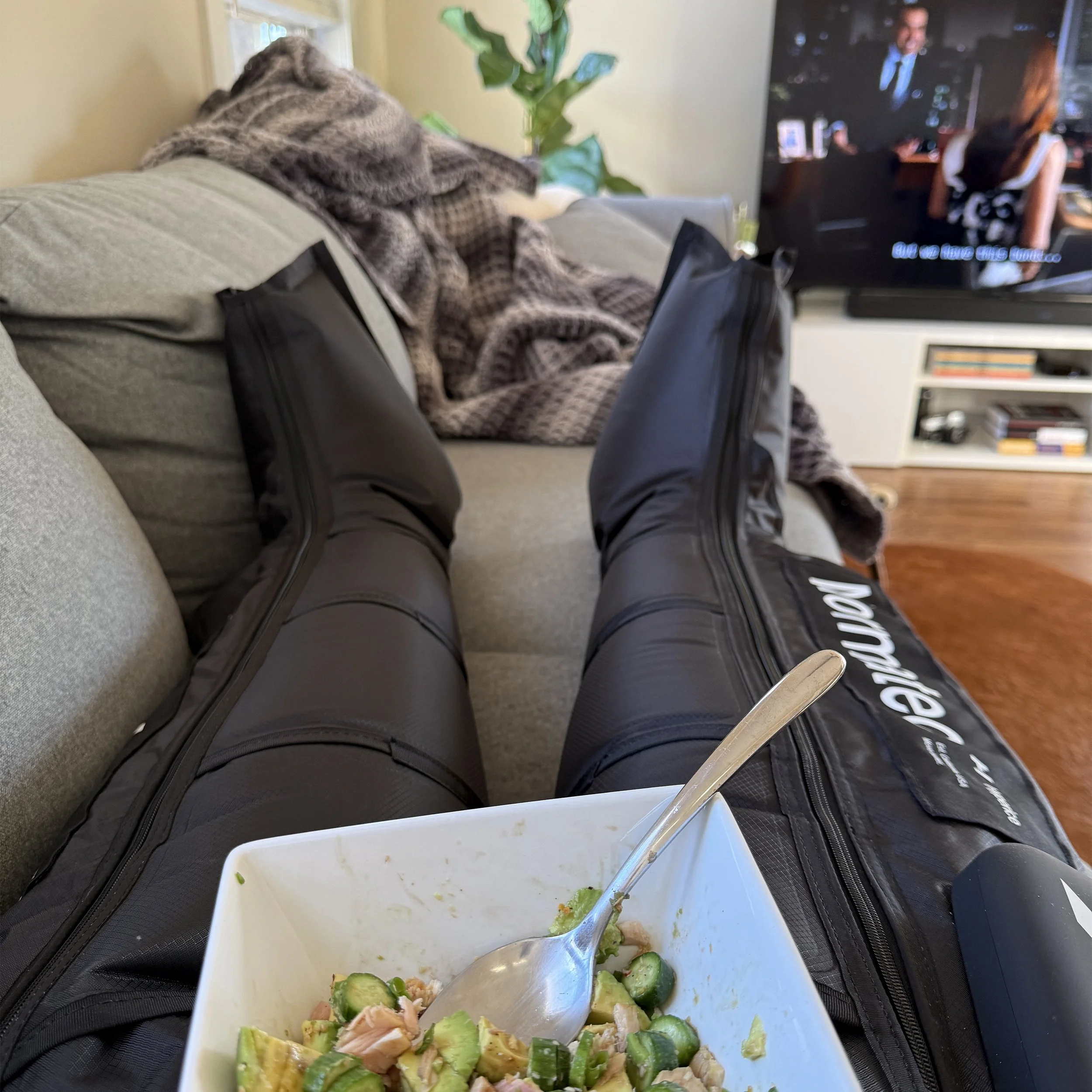
Normatec sleeves became routine. Easy compliance matters. I added a Hypervolt 2 Pro for soft tissue work. Useful, until it wasn’t.
One night in late December, trying to loosen a tight calf before a tempo run, I rushed it. One mile in, the calf seized. I stopped immediately. I could barely walk home. Standing on the sidewalk in the dark, I assumed my marathon was over before it began.
The next two weeks were cautious. Controlled. Protect fitness. Avoid compounding the damage.
I had a winter 14er trip planned in Colorado with Andy and Daniel. Snowshoes. Elevation. Skiing after. I debated bailing on the mountain adventures. I went anyway.
We never reached the summit. Weather and illness turned us back halfway. But the calf held. No setback. Just mountains and perspective.
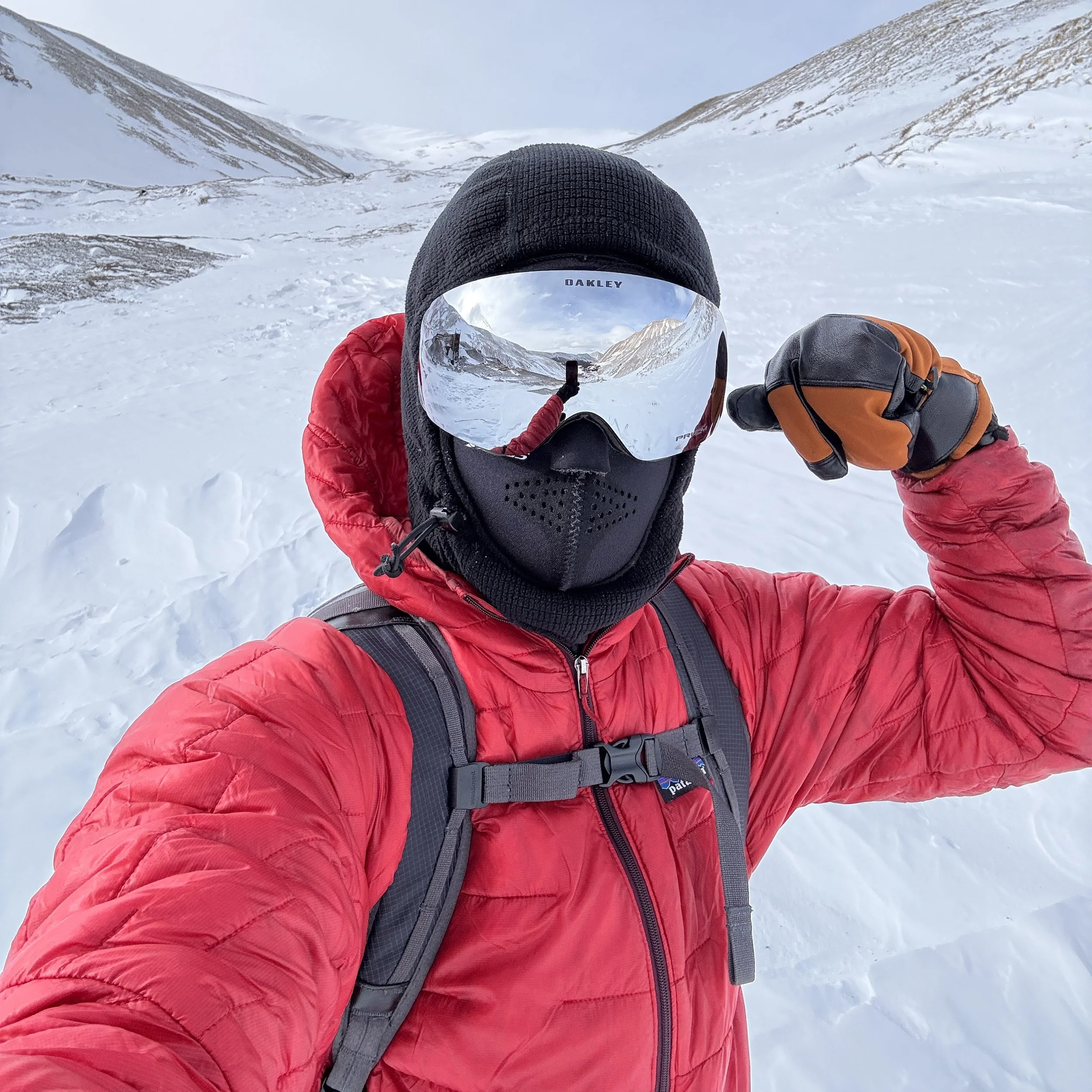
When I returned home, the calf gradually released. What felt catastrophic became a two-week interruption.
From there, training steadied.
Long runs that stayed composed late. Intervals that finished faster than they began. The fitness wasn’t loud. It was controlled.
Thirteen years away. Twenty-two weeks of preparation.
The question was no longer whether I would start.
It was how I would race.