
My journey to
the Trials
The long road back
MY STORY
I started running in fifth grade. From the beginning, I was fast. I won races early and often, but talent came more naturally than discipline. Running was not yet an identity. It was simply something I was good at.
For much of my youth, it lived alongside other ambitions. In high school, things sharpened not because I suddenly loved running, but because I understood what it could offer. My goal was practical: earn a scholarship and pay for school. I trained with purpose my junior and senior years, learned how to compete, and achieved exactly that.
College was where ability and intention drifted apart.
I was a Division II cross-country scholarship athlete, a multiple-time all-conference performer with legitimate results, including an 8K personal best of 24:33. I was good. But without meaningful athletic goals, I never came close to my potential. Training became transactional. Running was no longer a pursuit. It was an obligation. I showed up, did the work, and checked the box. By the time I graduated, I was burned out and relieved. I walked away from running convinced I would never lace up my shoes again.
And for a long time, thirteen years, I did not.
After college, my focus shifted entirely to my career. I worked hard, built momentum professionally, and kept my competitive edge alive through cycling. I raced bikes seriously for several years, learning how to train consistently, manage fatigue over long efforts, and balance performance with the rest of life. Over time, friends moved away, priorities changed, and racing quietly faded as well.
The return to running was not planned.
A group of former college teammates floated the idea of running the Boston Marathon together as a final hurrah. Most fell out of training or got hurt. I did not. My fitness came back quickly, almost too quickly. I struggled to understand how to pace or structure training because the progress was immediate and steep. Six months after lacing up again, I ran my debut marathon in 2:33.
It was a solid debut, but more importantly, it was revealing. I knew there was far more on the table.
That race forced a decision. I could enjoy a respectable comeback and move on. Or I could give running another honest attempt, this time with clarity, discipline, and real intent.
I chose the latter.
I set a goal that felt uncomfortable and unlikely: qualify for the U.S. Olympic Trials in the marathon. To do that, I hired Luke Humphrey, a former Hanson’s Distance Project athlete and the author of The Hanson’s Marathon Method. The shift was not about chasing volume or intensity. It was about structure, patience, and long-term thinking. For the first time, my talent was matched by discipline.
The results followed deliberately. A 2:33 debut became a 2:22 marathon over the next six months, not overnight, but through focused and intentional work.
Why the marathon? I do not have a clean answer. It is difficult, honest, and unforgiving. It exposes shortcuts and rewards discipline. Somewhere along the way, it became the clearest expression of the athlete I always suspected I could be.
At 36, this pursuit exists outside the usual timeline. That is part of the point. This is not about reclaiming a past version of myself. It is about finally finding my potential and proving that age is not a limit, but a variable.
While balancing a demanding full-time career and life beyond sport, I am chasing a goal most would consider unrealistic. Not because it is guaranteed, but because it matters.
This page is a record of that work.
The training. The races. The long pursuit.
The story is still being written.
Follow the Pursuit
Training Philosophy
My training is built around consistency, not hero workouts. The goal is long-term development, not short-term validation. I believe progress comes from stacking good weeks, respecting recovery, and understanding that patience is a competitive advantage, especially later in life.
Volume and intensity are tools, not goals. Every phase of training serves a purpose within a larger arc.
At this stage, the focus is marathon-specific development. That means learning to manage fatigue, absorb work, and show up day after day with intent. It also means balancing training with a demanding full-time career and life outside of running. Sustainability matters. Longevity matters.
This is not about doing more for the sake of doing more. It is about doing the right work, at the right time, for as long as it takes.
Consistency is the
competitive advantage.
Selected Performances
2:22:27
2026 Houston Marathon
20th Overall. A breakthrough performance and current personal best.
1:06:55
2026 Indy Mini Marathon
13th Overall. Debut half-marathon and current personal best.
2026 Capital City Classic 10K
31:14
First 10K since college, serving as a rust buster leading up to Indy Mini
24:33
GLVC vs MIAA Challange
College personal record for 8K, that remains top three in school history.
Upcoming Events
A tentative roadmap as I work toward the Olympic Trials standard.
Indianapolis Monumental Half Marathon
November 7, 2026 · Indianapolis, Indiana
California International Marathon
December 6, 2026 · Sacramento, California
Houston Marathon
January 17, 2027 · Houston, Texas
Grandma’s Marathon
June 16, 2027 · Duluth, Minnesota
Indianapolis Monumental Half Marathon
November 2027 · Indianapolis, Indiana
The Marathon Project
December 7 · Chandler, Arizona
Current Shoe Rotation
Each shoe has a clear purpose within the training cycle. This is the current rotation I rely on for different demands.
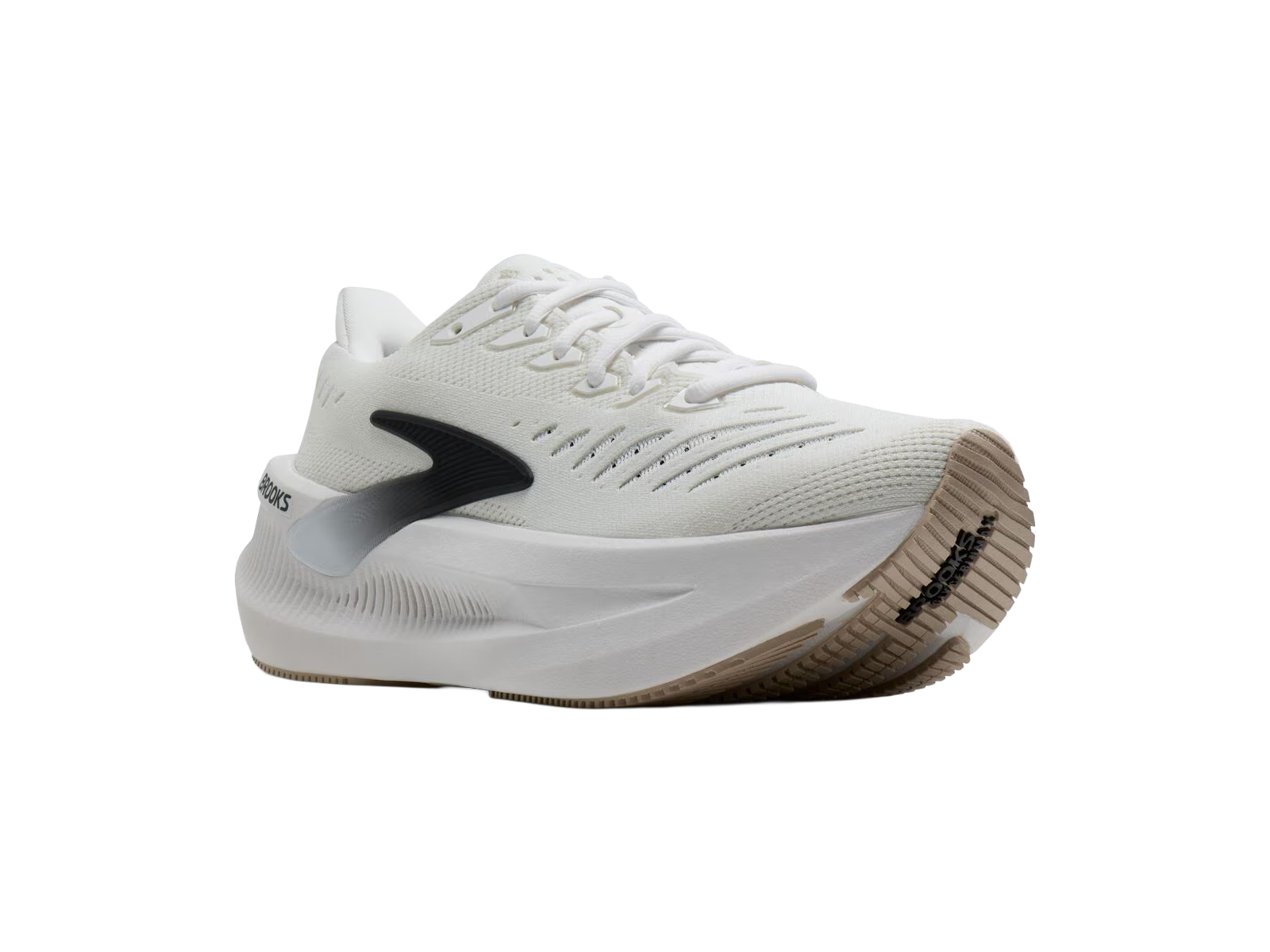
Brooks Glycerin Max 2
Pure cushioning. Used for recovery days and long runs where comfort and impact protection matter most.
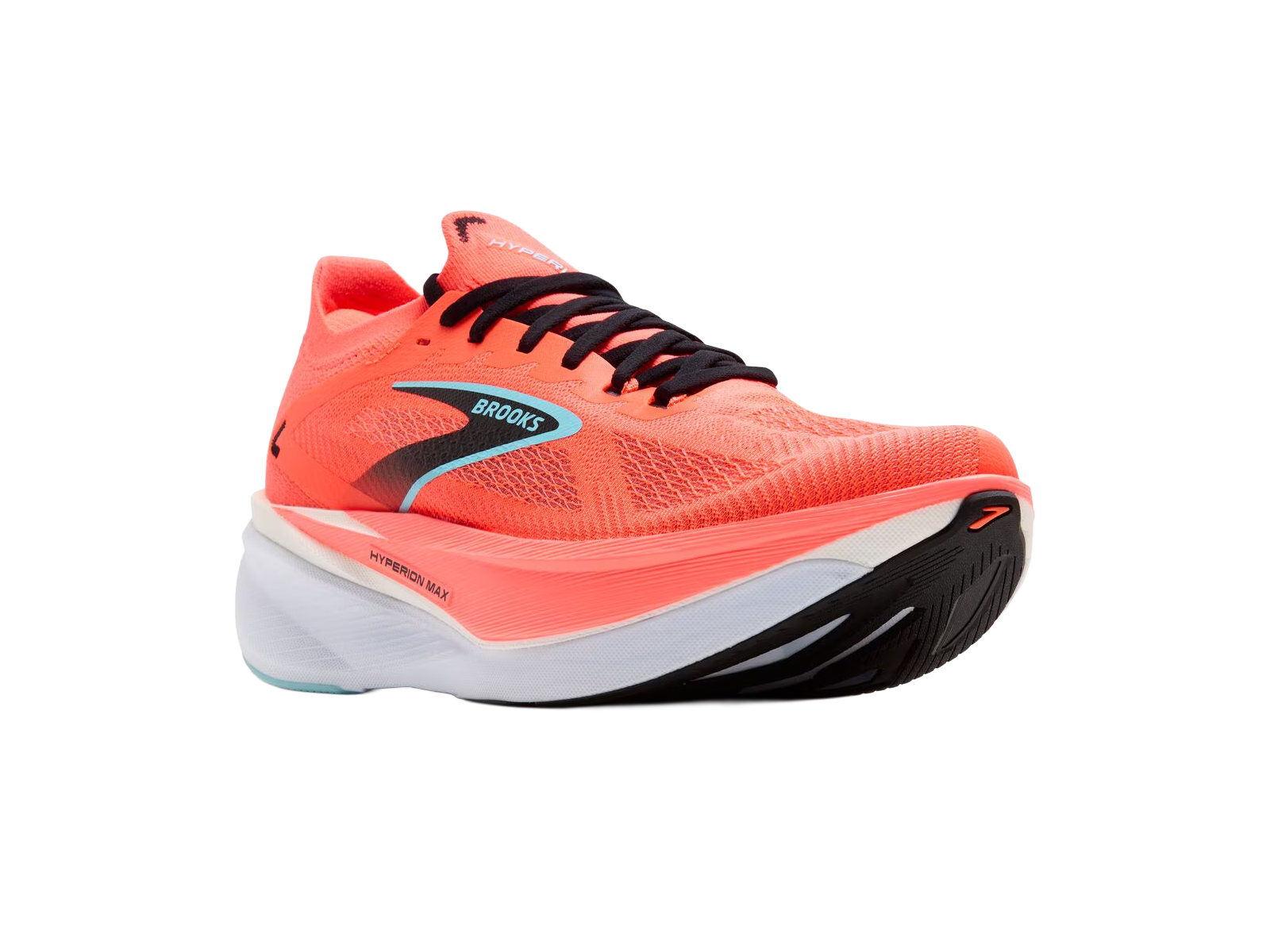
Brooks Hyperion Max 3
My primary workout shoe, especially for longer tempo efforts where speed and cushion need to coexist.
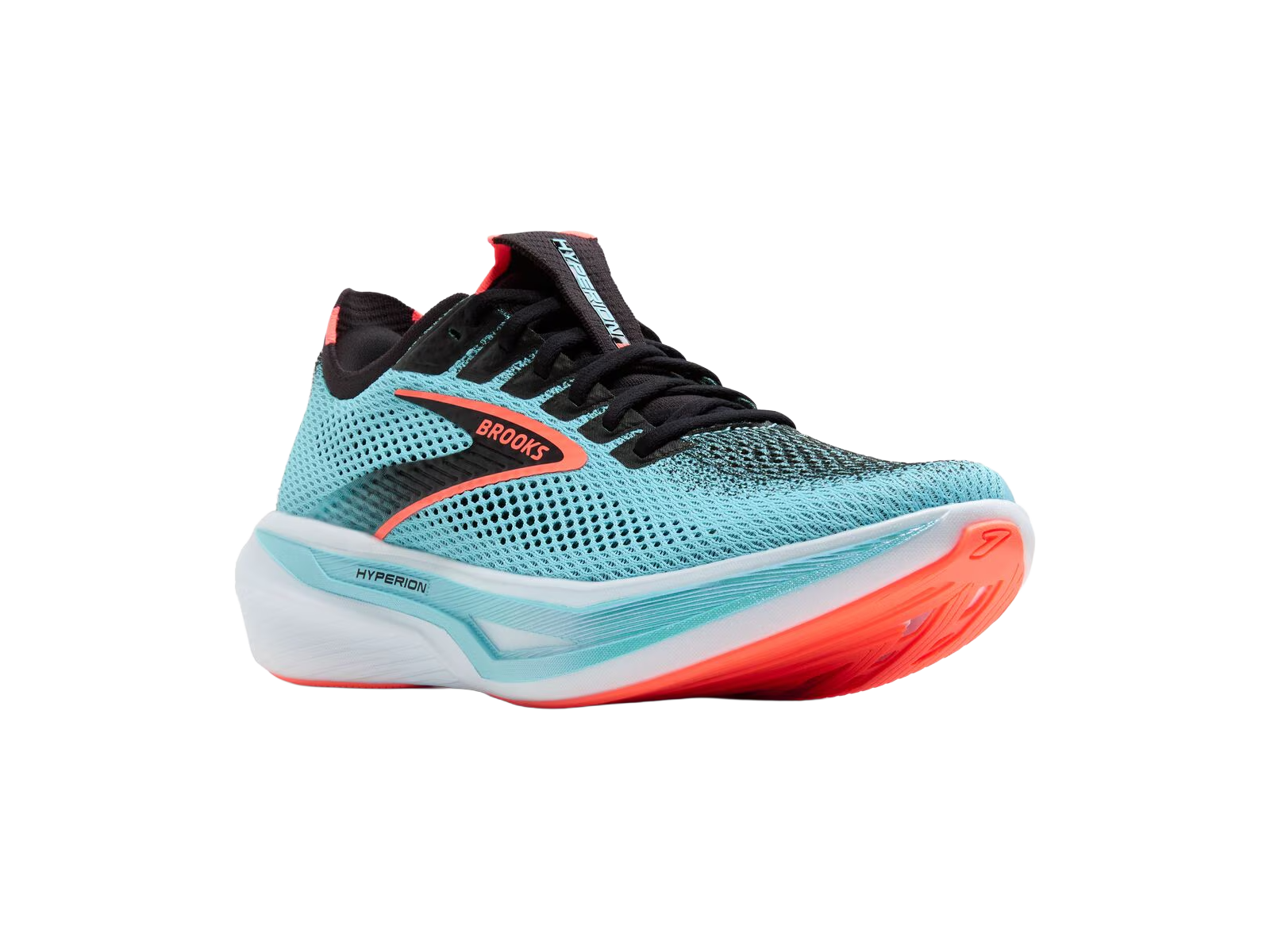
Brooks Hyperion 3
Speed without the extra cushion. Lightweight and responsive, and my preferred choice for track workouts and faster sessions.
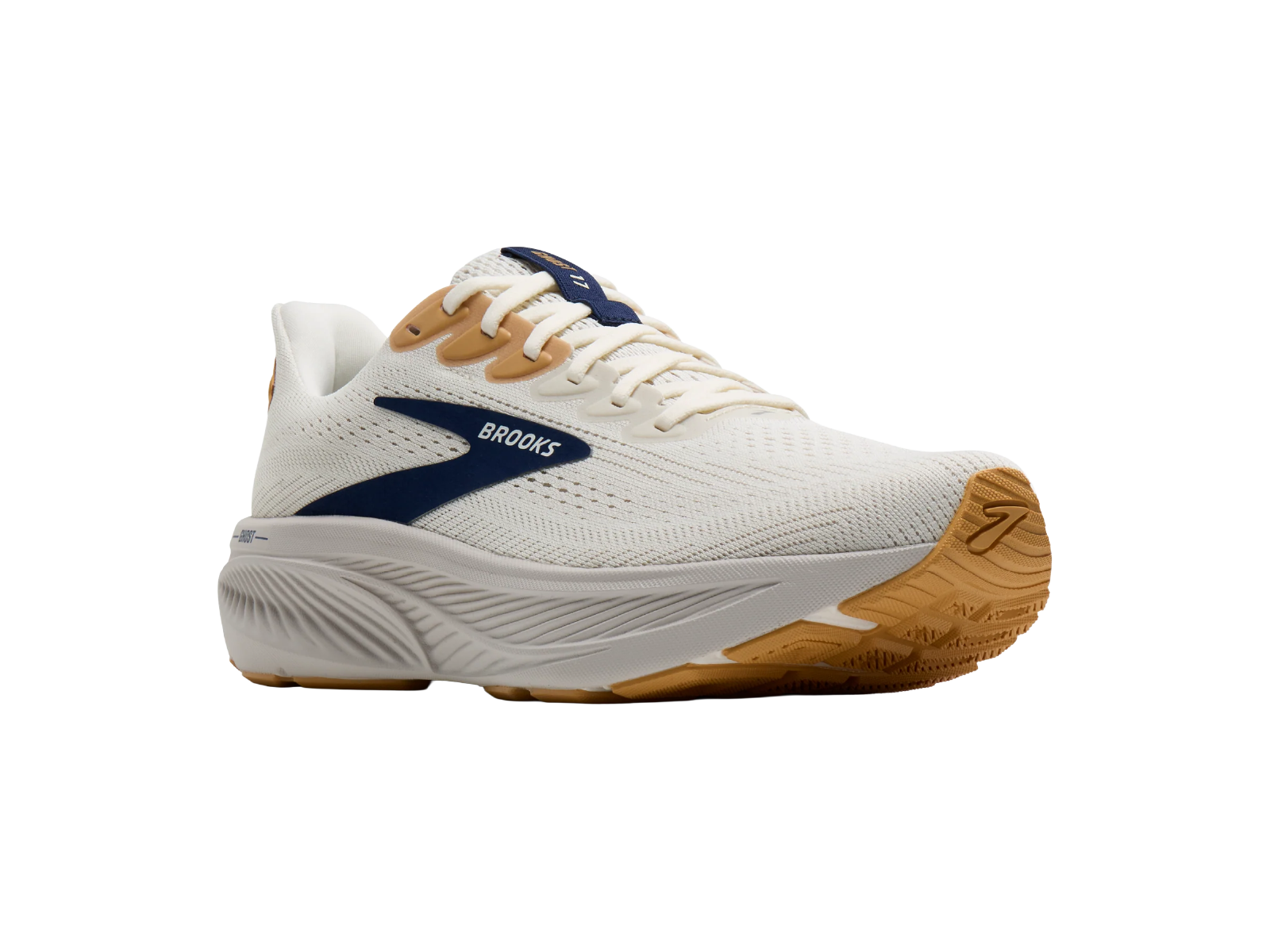
Brooks Ghost 17
A dependable daily trainer with enough cushion for general mileage and easy days when simplicity is the goal.
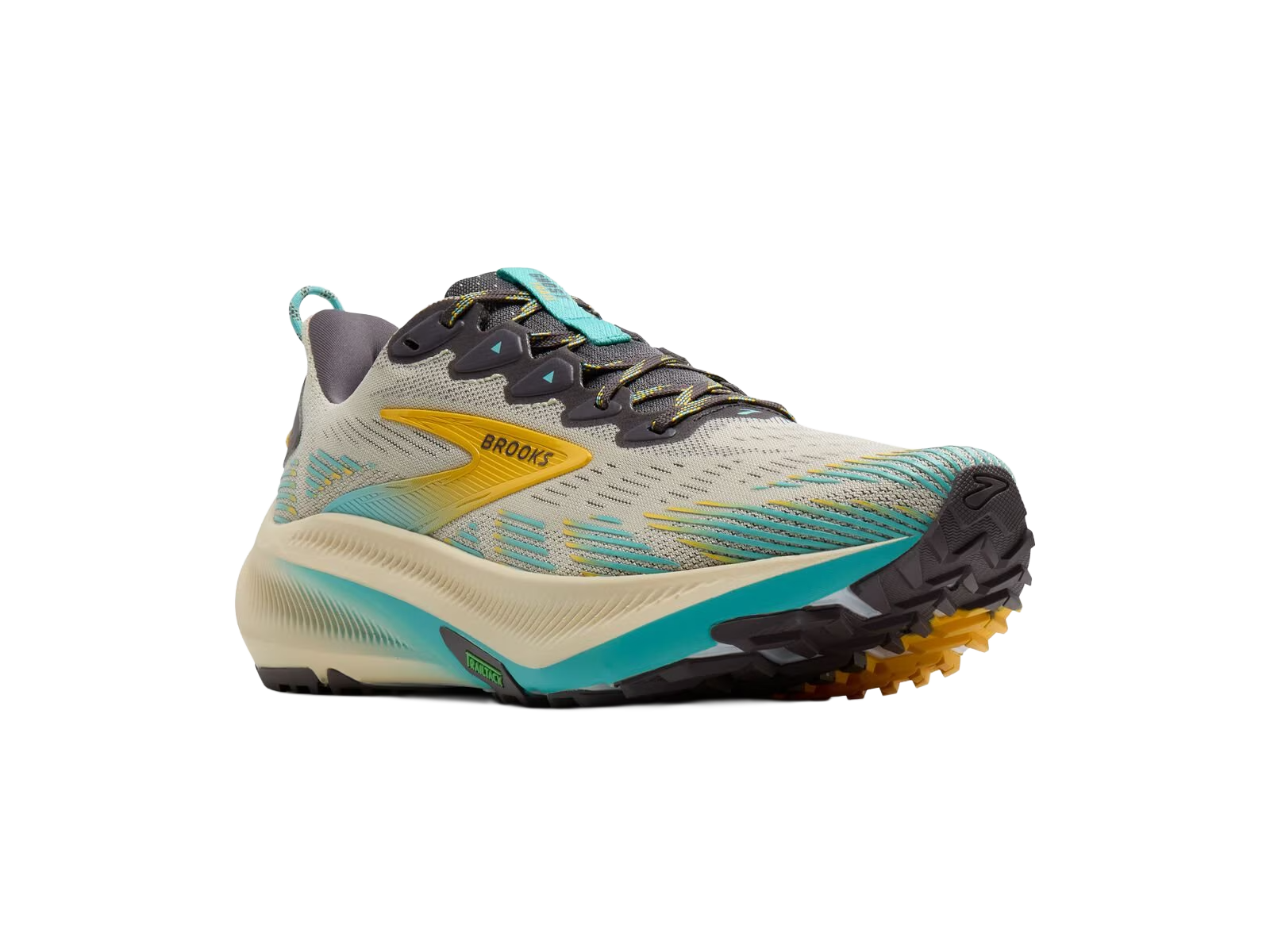
Brooks Ghost Trail
Similar in feel to my everyday trainer, with added protection and traction for mid-week trail runs and off-road mileage.
Interested in collaborating?
I’m documenting the pursuit of an Olympic Trials standard while balancing a full-time career and life outside sport. If that story aligns with your brand, I’d love to connect.